

N3 electric vehicle charging stations to go live in June
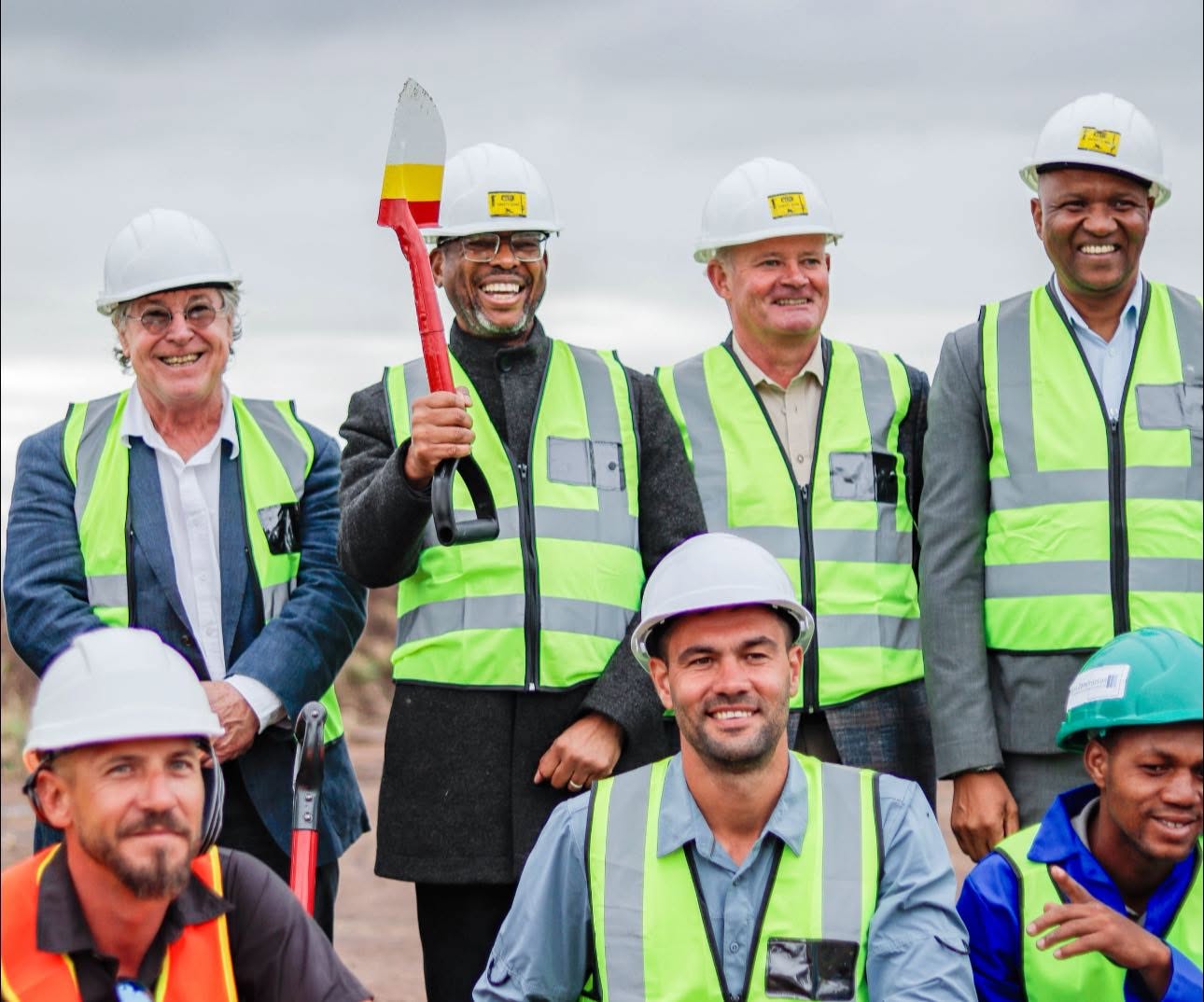
Just a year and a half after its pledge at the 2024 KwaZulu-Natal Investment Conference, Zero Carbon Charge (CHARGE) is on track to complete construction of two off-grid EV charging stations along the N3 by June 2026. This milestone marks a major step forward in unlocking South Africa’s busiest freight and passenger corridor between Johannesburg and Durban for electric mobility.
The sites, located at the Reitz Roadside Interchange and the Colenso–Winterton Interchange, form part of a broader R9.4 billion rollout of off-grid EV infrastructure in KwaZulu-Natal. The initiative includes a truck charging and battery-swapping route along the N3, as well as 17 solar-powered charging stations for passenger vehicles. These are part of a national network of 120 renewable EV charging facilities spaced at 150km intervals, complemented by an additional 120 truck charging stations across major highways.
Joubert Roux, co-founder of CHARGE, emphasised the significance of this development. “This milestone sends an unmistakable signal that EV infrastructure in South Africa is moving, and moving fast. With the N3 now unlocking for electric travel, the next priority is the N1, extending reliable, off-grid, ultra-fast charging along the country’s most critical long-distance routes.”
The rollout is supported by a R100 million investment from the Development Bank of Southern Africa (DBSA), enabling reliable and sustainable EV travel between Johannesburg and Durban at scale. At the sod-turning ceremony in November, KwaZulu-Natal MEC for Economic Development, Tourism and Environmental Affairs, Rev Musa Zondi, commended the initiative for its innovation and long-term impact.
Roux also highlighted the broader market opportunity: “The argument that electric vehicles cannot handle long-distance travel no longer holds. With dedicated, solar-powered highway charging becoming operational, EVs are now a practical, everyday choice, rather than a future concept. The infrastructure is arriving. The opportunity is real.”
Designed as fully off-grid, solar-powered facilities with battery storage, the stations eliminate reliance on the national grid while delivering high-speed charging. Beyond functionality, each site introduces a new-generation farmstall experience, offering amenities such as high-quality food, free Wi-Fi, and comfortable rest areas.
“Each charging station is not only focused on charging, it’s about creating a welcoming experience,” Roux added. “We no longer refer to consumers; we refer to guests. All South Africans are welcome to be part of the CHARGE journey.”
With completion nearing, the rollout is set to redefine long-distance travel in South Africa, positioning KwaZulu-Natal at the forefront of the country’s transition to clean, sustainable mobility.